front ends that fly.
With no CMS rendering every page on request, pages can be served pre built and near instant. Speed is the most obvious win.
Pre rendered, statically served pages
Near instant page transitions
Core Web Vitals handled by design
Headless Builds
Headless means your content lives in one place and the website that displays it is built separately, connected by an API. It buys you speed and flexibility, at the cost of more moving parts.
Let's chat
WHY HEADLESS /
With no CMS rendering every page on request, pages can be served pre built and near instant. Speed is the most obvious win.
Pre rendered, statically served pages
Near instant page transitions
Core Web Vitals handled by design
Write it once and push it to the website, the app, the in store screen and whatever comes along next.
Content reused across every channel
No copy and paste between platforms
New channels added without a rewrite
Your design is not limited to what a theme allows. The front end is built from scratch, so it does exactly what you designed.
No theme or plugin constraints
Design led rather than template led
Swap the front end without touching content
With no public facing CMS and far fewer plugins, there is simply less to exploit. Security gets easier rather than harder.
CMS kept off the public internet
Fewer third party plugins to patch
Static output is hard to attack


It earns its place when you publish to more than one channel, when performance genuinely matters commercially, or when your design has outgrown what a template can do.
It is the wrong call when you have one website, a small team and no appetite for maintaining two systems. A well built traditional CMS will serve you better and cost you less, and we will say so.
Our Work
FAQs
The system where you write content is separated from the website that displays it, with an API connecting the two. The CMS has no front end of its own, which is where the name comes from.
Content managed in one system
The website built as a separate application
The two talking to each other over an API
For a single website run by a small team, traditional is usually the better call and the cheaper one. Headless earns its keep when:
You publish the same content to several channels
Performance is commercially important to you
Your design has outgrown what a template allows
You have developers, or budget for ongoing ones
It does not have to be. The editing experience is something we build, and a good headless CMS is often nicer to work in than a traditional one.
Preview before publishing still works
Editable sections rather than raw fields
The real trade off is publishing speed, not difficulty
Often yes. Headless suits an incremental move better than most rebuilds do.
Start with the highest value section or template
Run the old and new side by side behind the scenes
Move the rest once the approach has proven itself
Mostly the things you cannot see. Hosting, image handling, and how much work the browser is asked to do before anything appears on screen.
Server response time and caching
Images sized and compressed properly
Only loading the code a page actually needs
There's no one-size-fits-all answer. We work across platforms including Statamic, Contentful, WordPress, Shopify, Squarespace, and also do fully custom builds when required. We help you choose the platform that best suits your goals, budget and future plans, rather than the one that's easiest for us.
Yes. We build websites that are easy to manage and provide training so your team can confidently update content, images and pages whenever you need. Of course, if you'd rather leave it to us, we're always here to help.
Yes, with planning. Most ranking drops after a rebuild come from missed redirects and content that quietly disappeared along the way.
A full URL map and redirect plan before launch
Page titles, headings and content carried across
Tracking and Search Console watched closely after go live
Yes. We regularly integrate websites with CRMs, payment gateways, booking systems, ERPs, inventory platforms and other business software to create seamless workflows and reduce manual administration.
Timelines vary depending on the size and complexity of your project. A straightforward website may take a few weeks, while larger ecommerce platforms or custom web development projects can take several months. We'll provide a realistic timeline from the outset and keep you informed every step of the way.
INSIGHTS /
Last week we attended the Marketing Association's Digital Day Out, with sessions from Google, Orange Labs, Trade Me, Dentsu, and Mastercard, among others! Here are our takeaways...
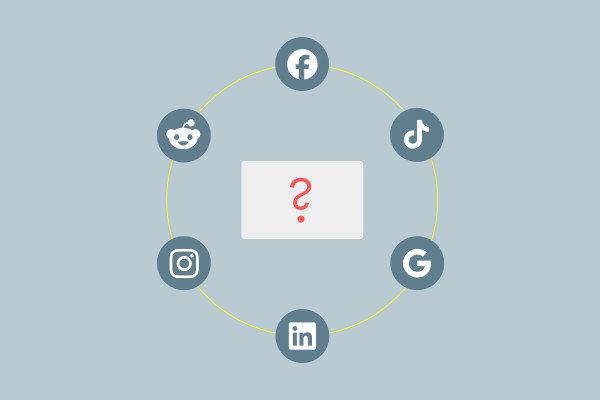
Pay-per-click advertising (PPC) has come a long way since the days of a few text-heavy search ads. Today, the landscape is crowded, competitive, and let’s be honest, a little overwhelming. The truth? Throwing money at PPC platforms won’t...

For years, marketers have been told that email is “dead.” With the rise of social media, paid ads, and influencer marketing, email slipped down the priority list for many businesses. But lately, we’re seeing a big shift - email marketing...